ABN: 23 625 688 020 | License: 383957C | Mail: admin@ktmaccess.com.au

Facade Inspection & Building Condition Assessment
Certified rope access inspections and rapid make-safe response — identifying facade defects before they become liabilities, and rectifying hazards before they become incidents.
Certified Technicians
IRATA-certified riggers and installers specialising in high-rise glazing and facade work.
Locations
Servicing Sydney, Central Coast & Newcastle across commercial and residential buildings.
Rapid Response
Emergency make-safe and hazard mitigation available for urgent facade defects.

What is Facade Inspection & Building Condition Assessment?
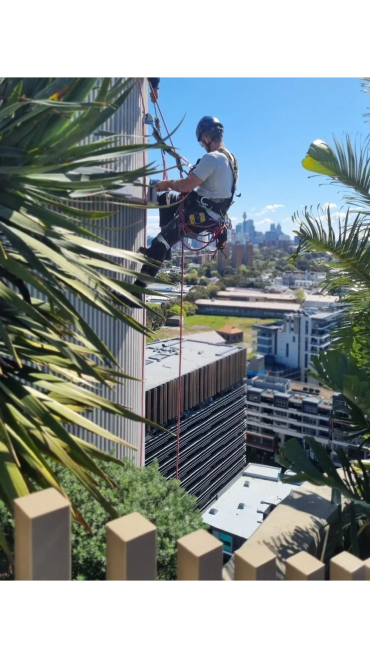
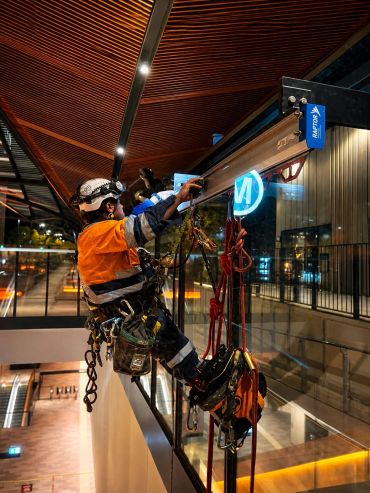
Facade inspection and building condition assessment involves a close-up, hands-on examination of a building's external envelope — including cladding, glazing, concrete, and render — to identify defects such as spalling, cracking, water ingress, or loose panels before they present a risk to occupants or the public. Unlike assessments conducted from ground level or through drone imagery, rope access inspection places a qualified technician directly on the surface, allowing for physical testing, photography, and close-range assessment of defects. When a hazard is identified, an emergency make-safe response is executed immediately, securing loose materials, mitigating fall risks, and stabilizing the defect until permanent remediation can be arranged. At KTM ACCESS, we provide comprehensive facade inspections, defect identification and reporting, and prompt emergency make-safe response services, all carried out by the same dedicated rope access team to ensure a seamless transition from assessment to action.
Our Inspection & Makesafe Process

Facade & Envelope Assessment
Our rope access technicians conduct thorough building condition assessments by closely inspecting the building envelope. They physically assess cladding, glazing, concrete, and render for any signs of defect or deterioration. This detailed inspection also allows us to provide an emergency make-safe response if necessary.
Defect Documentation & Reporting
Every defect identified during the building condition assessment is photographed and logged, accompanied by a detailed report that outlines severity, risk level, and remedial recommendations. This also includes provisions for an emergency make-safe response and utilizes techniques such as rope access inspection when necessary.
Emergency Make Safe (Where Required)
Where a hazard poses an immediate risk, our teams conduct an emergency make-safe response on the spot — stabilising loose material and mitigating fall risk until a building condition assessment and permanent repair are scheduled. We also utilize rope access inspection techniques to ensure safety and effectiveness in our response.
Preventative Maintenance Planning
We recommend a scheduled inspection cycle, including a thorough building condition assessment, to catch defects early. This proactive approach reduces the need for emergency make-safe responses and helps extend the service life of the building envelope through effective rope access inspection.