ABN: 23 625 688 020 | License: 383957C | Mail: admin@ktmaccess.com.au

Facade Leak Detection & Silicone/Caulking Remediation
Rope access leak detection and waterproofing remediation — tracing water ingress to its source and resealing the facade before minor leaks become major damage.
Certified Technicians
IRATA-certified riggers and installers specialising in high-rise glazing and facade work.
Locations
Servicing Sydney, Central Coast & Newcastle across commercial and residential buildings.
Source-First Approach
Testing and tracing water ingress to its actual origin, not just resealing the visible symptom.

What is Facade Leak Detection & Silicone / Caulking Remediation?
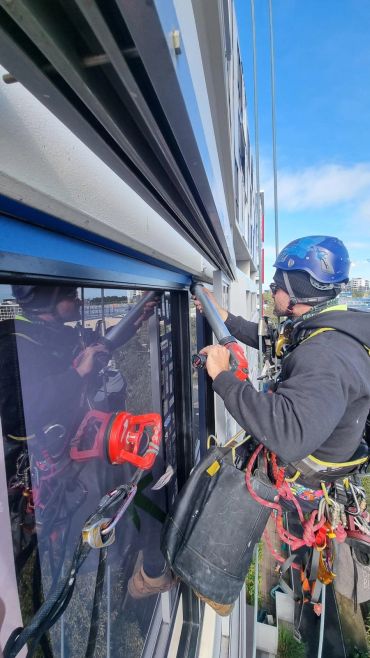
Facade leak detection services and caulking remediation involve tracing water ingress back to its source and resealing the failure point. This can include issues such as a failed silicone joint, a compromised window perimeter, or a breakdown in the facade's waterproofing membrane. It's important to note that water ingress is rarely found where it initially appears; hence, a thorough water ingress investigation using controlled water testing and flood testing is essential to accurately isolate the entry point before any repairs commence. This approach prevents repeat call-outs for the same leak. Once the source is identified, waterproofing remediation entails removing failed sealant, resealing joints and window perimeters, and applying suitable waterproofing repairs tailored to the substrate. At KTM ACCESS, we provide comprehensive solutions through our leak detection services, efficient water testing, silicone joint replacement, and complete waterproofing remediation, all delivered by the same rope access team from diagnosis through to repair.
Our Detection & Remediation Process

Leak Investigation & Assessment
We offer professional leak detection services, investigating reported water ingress by assessing the facade, window perimeters, and joints to narrow down likely entry points for waterproofing remediation.
Controlled Water & Flood Testing
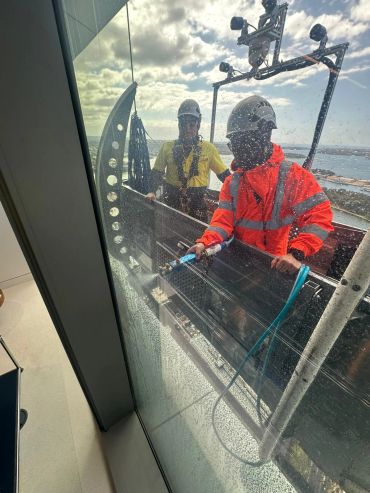
Leak detection services, including flood testing and controlled water testing, are essential for a thorough water ingress investigation to identify the exact source of the leak before any waterproofing remediation takes place.
Sealant & Joint Remediation
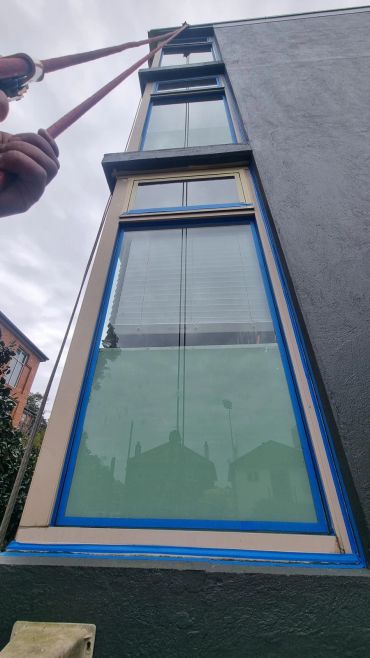
Failed silicone, caulking, and sealant are efficiently removed and replaced. Window perimeters and expansion joints are resealed to specification as part of our comprehensive leak detection services and waterproofing remediation, ensuring effective results in water ingress investigation.
Waterproofing Repair & Verification
Waterproofing remediation is applied to cracks and compromised areas, accompanied by leak detection services and follow-up testing as required to ensure that the water ingress has been resolved.